About Gentian Hajdaraj

This author has not yet filled in any details.
So far Gentian Hajdaraj has created 189 blog entries.

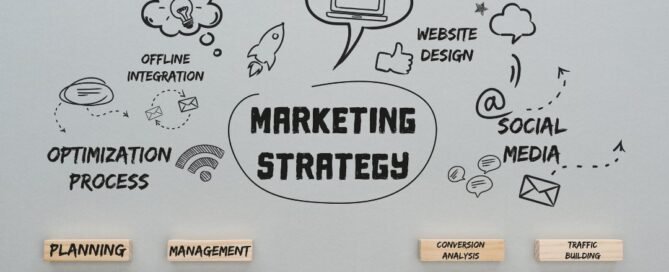
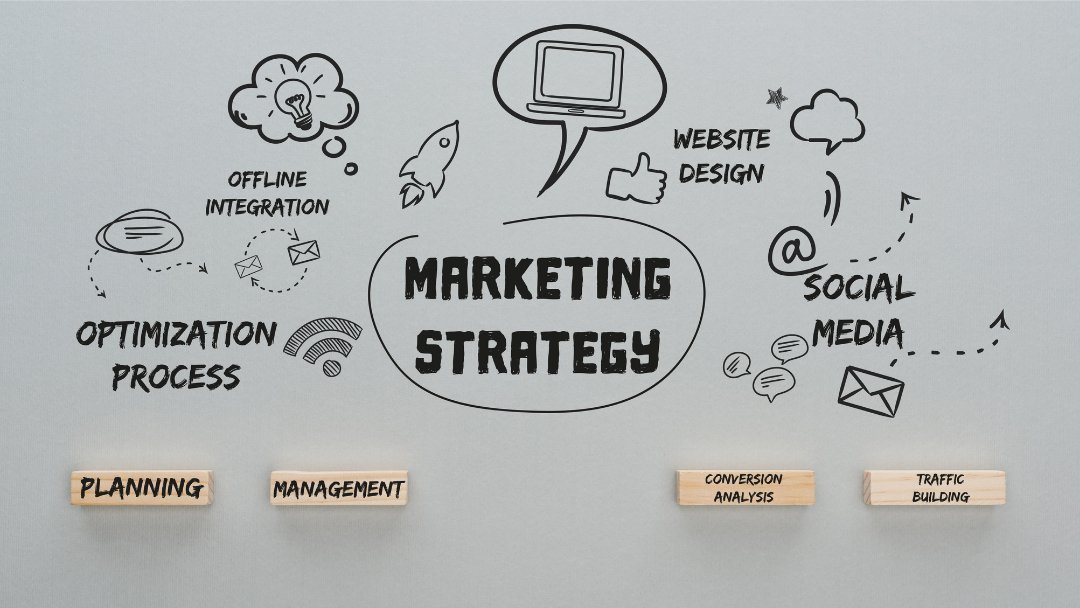
Marketing Strategies: Complete Guide to Achieve Outstanding Results

If you want to grow your business and take it to the next level, marketing strategies are the essential starting point. In this guide, we’ll cover everything you need to create an effective marketing strategy optimized for your audience and capable of delivering tangible results. Whether you’re an entrepreneur, a marketer, or a small business owner, you’ll find practical advice and proven techniques here.

What Is a Marketing Strategy?

A marketing strategy is an action plan designed to promote and sell your products or services. It includes identifying the target audience, choosing communication channels, and setting business goals. A well-structured strategy allows you to:

  • Increase your brand’s visibility.
  • Improve customer relationships.
  • Maximize return on investment (ROI).

In recent years, artificial intelligence (AI) has become a key element in marketing strategies. With AI, companies can analyze large volumes of data to predict trends, personalize customer experiences, and optimize campaigns in real time. For example, AI tools like chatbots and recommendation algorithms improve audience interaction and boost conversions.

A good marketing strategy isn’t static: it needs constant monitoring and adaptation to stay relevant in a rapidly changing market.

Why Is It Important to Have a Marketing Strategy?

Without a marketing strategy, you risk wasting resources on ineffective actions and failing to reach your audience properly. Here are the main reasons a strategy is crucial:

  1. Focus on Goals: A clear strategy helps you define business goals, ensuring you work toward measurable, relevant outcomes. For example, you might aim to increase sales by 30% in a quarter or boost social media engagement.
  2. Optimal Resource Allocation: Knowing which channels and tools are most effective lets you concentrate your budget and time on activities that deliver the most value. For example, if your audience is highly active on Instagram, you’ll invest more in visual content for that platform.
  3. Customer Experience Personalization: With tools like AI and behavioral data, a marketing strategy enables you to deliver highly personalized content and promotions, improving satisfaction and loyalty.
  4. Measuring Success: A strategy lets you track campaign performance through KPIs (Key Performance Indicators). This helps you identify what works and what doesn’t, continuously optimizing your efforts.
  5. Adaptability to Change: Markets and consumer preferences constantly evolve. A strategy lets you adapt quickly to change, implement new technologies such as AI, or respond to emerging trends in your sector.

In short, a marketing strategy is not just a plan but a true engine for business success. It helps you navigate a competitive market with confidence and build lasting relationships with your audience.

Now that we’ve established its importance, let’s move on to the practical steps to create a winning strategy.

1. Analyze Your Market

First, it’s essential to understand the context in which you operate. A solid market analysis includes:

  • Competitor Research: Who are your main competitors? What do they do better than you? Use tools like SEMrush or SimilarWeb to analyze their traffic, marketing strategies, and ranking keywords. Also assess their weaknesses and look for opportunities to differentiate, for example by offering more personalized service or integrating innovative technologies like AI.
  • Target Audience Identification: Define your ideal customer. Create a detailed buyer persona considering factors like age, interests, buying habits, and needs. AI can be a strong ally in this phase, helping you segment audiences through behavioral and demographic data analysis.
  • Industry Trends: Stay updated on the latest trends and innovations in your field. AI-driven marketing, for example, is transforming how companies communicate with customers through solutions like chatbots, virtual assistants, and real-time optimized ad campaigns. Also analyze changes in consumer preferences and consider the impact of global or local events on your market.
  • Channel Assessment: Beyond knowing your audience and competitors, evaluate which marketing channels are best suited to your sector. If your audience is young and tech-savvy, focus efforts on platforms like TikTok or Twitch. If you operate in B2B, LinkedIn may be the ideal choice.

A thorough market analysis not only gives you a clear view of the competitive landscape but also helps you spot untapped opportunities, improve positioning, and build a solid, targeted marketing strategy.

2. Define SMART Goals

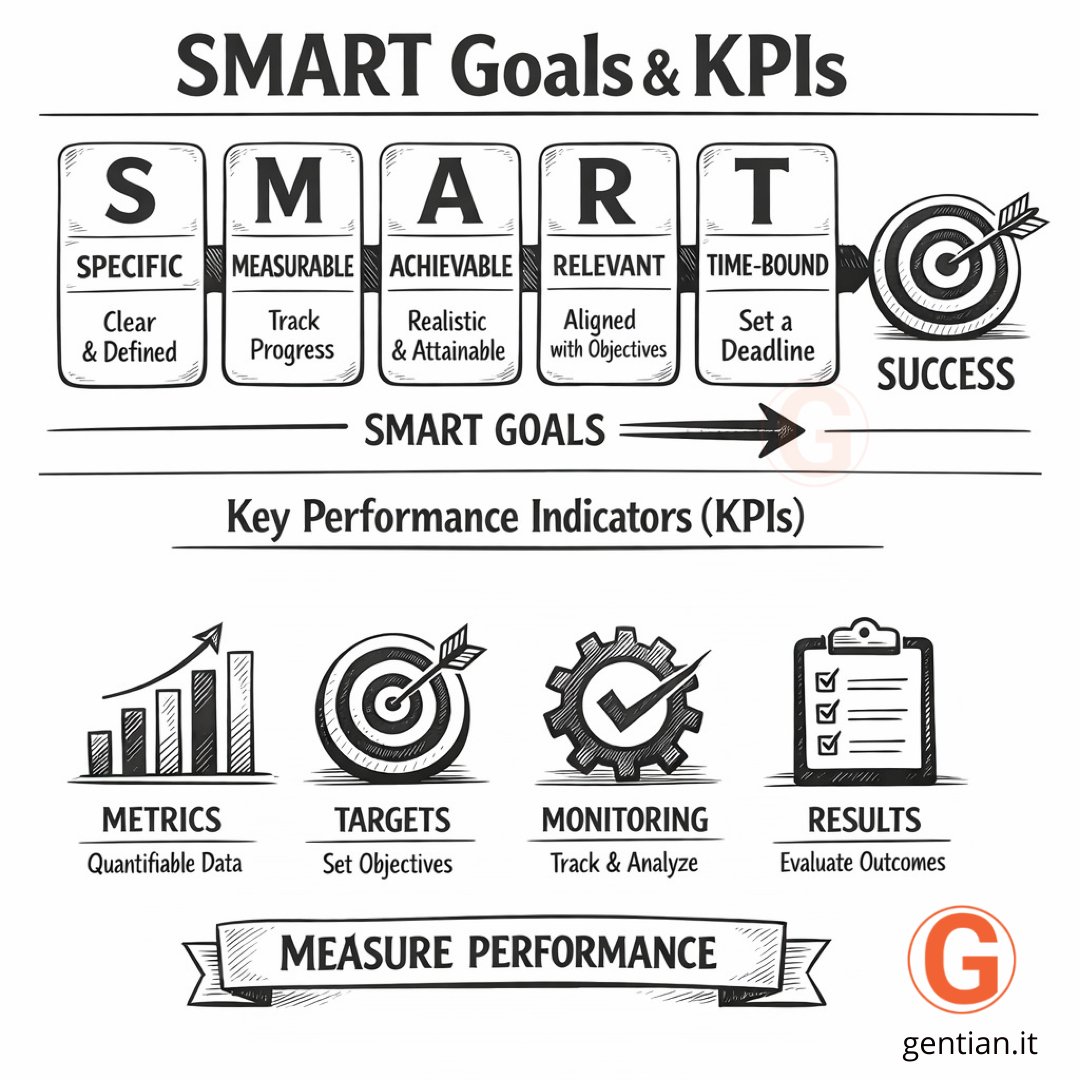
Setting clear goals is one of the most important steps for marketing strategy success. Goals should be Specific, Measurable, Achievable, Relevant, and Time-bound (SMART). This method ensures your goals are well-structured and easy to monitor.

  • Not SMART: “I want to increase sales.”
  • SMART: “I want to increase sales by 20% within six months through email marketing campaigns.”

Here’s how to apply each SMART element:

  • Specific: Focus on a clear, detailed objective. For example, “Increase website conversions” is more specific than “Improve online performance.”
  • Measurable: Include metrics to track progress. This could be a number of sales, new leads acquired, or click-through rate on an ad.
  • Achievable: Goals should be realistic given available resources. Aiming for 500% growth in one month may not be attainable.
  • Relevant: Ensure goals align with business priorities. If your focus is brand awareness, goals should reflect that.
  • Time-bound: Set a deadline. Knowing when to expect results helps maintain momentum and optimize activities.

For example, if you want to increase site traffic, you could set a SMART goal like: “Increase organic traffic by 25% within the next four months using targeted SEO strategies.”

SMART goals not only help you concentrate on priorities but also provide a clear framework to measure results and make improvements. AI can be integrated into this process, offering advanced tools to monitor KPIs in real time and recommend data-informed optimizations.

3. Choose the Right Marketing Channels

Not every marketing channel fits every business. To choose the right channels, consider your audience’s characteristics, your industry, and your business goals. Here are the main channels and how to use them effectively:

  • Social Media Marketing: Platforms like Facebook, Instagram, and LinkedIn are essential for reaching your audience. On Facebook you can create targeted ad campaigns using advanced targeting options; on Instagram focus on high-quality visual content and storytelling. LinkedIn is ideal for B2B, with an emphasis on informative content and professional networking.
  • Email Marketing: One of the most effective tools for customer retention. Use platforms like Mailchimp or ActiveCampaign to automate campaigns, segment contact lists, and send personalized messages. AI in this area can optimize open and conversion rates through predictive analysis and dynamic personalization.
  • SEO: Optimize your website to rank on search engines. Use relevant keywords (like “marketing strategies”) and create valuable content that answers your audience’s questions. Tools like Google Keyword Planner or Ahrefs can help identify key terms and monitor rankings. Don’t forget to optimize technical aspects like loading speed and mobile usability.
  • Content Marketing: Create blogs, videos, infographics, and podcasts to attract and engage your audience. Content marketing is a great way to educate customers and position yourself as a thought leader. You can also use AI tools to generate content ideas, analyze performance, and personalize messaging for different audience segments.
  • Paid Advertising: Paid campaigns on Google Ads, Facebook Ads, or LinkedIn Ads can deliver quick, targeted results. AI is a valuable partner to optimize campaign performance, improve targeting, and maximize ROI.

A well-integrated multichannel marketing strategy allows you to reach your audience effectively, increasing brand awareness and conversions.

4. Develop a Content Plan

Content is the heart of every marketing strategy. A solid editorial plan helps you maintain consistency, meet your audience’s needs, and achieve your business goals. Here are the key steps to develop an effective content plan:

  • Content Types: Diversify formats to keep your audience engaged. Beyond blogs, consider videos, social posts, newsletters, infographics, and even webinars. Each format serves a specific purpose and can be chosen based on your target’s interests.
  • Editorial Calendar: Plan when and where to publish content in advance. A well-organized calendar helps maintain a steady flow and avoid gaps. Use tools like Trello, Notion, or Asana to visualize and manage your editorial plan.
  • Management and Automation Tools: Content management systems (CMS) like WordPress can simplify publishing. Automation tools like Buffer or Hootsuite let you schedule social posts in advance, saving valuable time.
  • AI Integration: AI can enhance your content marketing in many ways. Tools like Jasper or Copy.ai can generate article ideas, draft content, and even optimize text for SEO. AI algorithms can analyze user behavior, suggesting personalized content based on interests and preferences. AI can also automate distribution across channels, monitor performance in real time, and recommend adjustments to maximize impact. Integrating AI into your editorial plan not only boosts efficiency but also enables more engaging and relevant customer experiences.

5. Monitor and Optimize

The key to success is constant optimization. Use analytics tools like Google Analytics to monitor:

  • Website traffic.
  • Conversion rates.
  • Social media engagement.

Based on collected data, make changes to your strategy to improve effectiveness.

Examples of Successful Marketing Strategies

Here are some marketing and web marketing strategies used by major companies:

  1. Coca-Cola: Personalization
    • The “Share a Coke” campaign engaged consumers by printing their names on bottles, creating a strong emotional connection with the brand.
  2. Nike: Storytelling
    • Nike’s campaigns focus on inspiring stories that motivate the audience, such as the “Just Do It” series.
  3. Amazon: Data-Informed Marketing
    • Amazon uses advanced algorithms to personalize product recommendations, increasing sales and improving user experience.

Conclusion

Marketing strategies are not a luxury but a necessity for any business. By following the steps in this guide, you can create a solid plan that helps you stand out from the competition and achieve your goals.

Remember: success takes time and dedication. Test, learn from the data, and never stop improving. Now it’s your turn: put these strategies into practice and watch your business grow!

2026-02-10T19:40:16+00:00By |Marketing|0 Comments

How to Create a Facebook Page

Creating an effective Facebook Page is crucial for building a meaningful, engaging digital presence—whether you’re a business or an individual promoting a personal brand. In this detailed guide, we’ll cover everything you need to know to create, customize, and optimize a Facebook Page in 2025. Instructions are provided for both mobile and desktop, diving into every aspect required to manage your online community well.

What Is a Facebook Page?

A Facebook Page is a core tool the social platform offers to businesses, organizations, celebrities, and brands that want to establish an online presence and engage their audience. Unlike personal profiles, Pages don’t require friend requests; anyone can follow a Page by liking it to stay updated on posts, news, and promotions.

Pages offer a wide range of features, including the ability to publish multimedia content, manage customer reviews, use advertising tools like Facebook Ads to reach specific audiences, and access analytics to monitor engagement and performance. In short, a Facebook Page acts as a centralized hub where entities can promote their identity, connect with followers, and build a community around their brand.

The Importance of a Facebook Page

With over 2.8 billion monthly active users, Facebook is one of the most powerful platforms to reach and interact with a broad audience. A Facebook Page is more than an extension of your personal profile; it’s a dedicated space to connect your business, brand, or community with people who share interests or are looking for your products and services. Let’s start by exploring the fundamental steps to create your Page.

Step 1: Prepare the Ground

Have a Facebook Profile

Before you can create a Facebook Page, you need a personal profile. This profile anchors the Page and allows you to manage daily operations, interactions, and marketing campaigns directly through Facebook.

Consider Your Target Audience

Before launching your Page, it’s essential to know who you’re targeting. Defining your audience will guide the type of content you produce, the communication style, and promotion strategies. Consider factors such as age, geographic location, interests, and behaviors of your potential customers.

Step 2: Create a Facebook Page on Mobile

Facebook’s app lets you create and manage a Page directly from your smartphone. Here’s how:

  1. Open the Facebook App:
    • Find the app in your menu and open it.
  2. Access the Menu:
    • Tap your profile picture to open the app’s main menu.
  3. Go to Pages:
    • Scroll and select “Pages,” then tap “Create” at the top left.
  4. Enter Page Details:
    • Type your Page name. This should clearly represent your brand or business.
  5. Select a Category:
    • Choose a category that best describes your business. If unsure, explore the popular categories provided.
  6. Finalize Creation:
    • Tap “Create” to finish this initial step. You now have a new Page.
  7. Customize Info and Images:
    • Add a concise, clear bio, contact details, location, and business hours. Upload an engaging profile and cover image.
  8. Invite Friends:
    • Start building your audience by inviting friends to like your Page.
  9. Enable Notifications:
    • Turn on Page notifications to stay updated on interactions and activity.
  10. Finish:
    • Complete setup by tapping “Done.”

Step 3: Create a Facebook Page on Desktop

If you prefer a desktop interface or want a larger screen, follow these steps:

  1. Log In to Facebook:
    • Open your browser and sign in to your personal Facebook account.
  2. Navigate to Pages:
    • In the left sidebar, find the “Pages” section and click to explore.
  3. Start Page Creation:
    • Under “Your Pages and profiles,” click “Create new Page.”
  4. Provide Name and Category:
    • Enter the name you want and select a category that accurately reflects your business.
  5. Complete Initial Setup:
    • Click “Create Page.” Your new Facebook Page now exists.
  6. Add Bio and Visuals:
    • After creation, enrich your Page with a detailed bio. Upload professional profile and cover images that capture visitors’ attention.

Step 4: Advanced Page Customization

Set Details and Information

  • Business Information: Fill out all available information sections, such as contact name, physical address for brick-and-mortar businesses, and opening hours.
  • Website and Social Links: Link your website and other social accounts to the Page to create a more integrated and accessible network.
  • Customize the URL: Edit your Page URL for quicker, more intuitive access. A simple, brand-representative URL helps with memorability and sharing.

Use Tabs

  • Custom Tabs: Beyond standard tabs, you can add custom tabs to highlight specific services or products.
  • Optimize the “About” Tab: This is one of the most visited sections of your Page, so keep it updated with accurate, inviting details.

Step 5: Create Quality Content

Develop an Editorial Calendar

To keep your audience engaged, plan posts in advance:

  • Weekly Posts: Schedule regular updates that showcase new products, events, or relevant industry news.
  • Interactive Posts: Encourage engagement by asking for opinions or running polls and discussions.

Diversify Content

  • Videos and Stories: Facebook Stories and videos are powerful tools to engage audiences. Consider live video for interactive sessions or product demos.
  • UGC (User-Generated Content): Encourage followers to share their experiences with your brand. Promote authenticity and social proof through real feedback and testimonials.

Step 6: On-Page SEO Optimization

Keyword Implementation

SEO isn’t only for traditional search engines. On your Facebook Page:

  • Titles and Descriptions: Ensure titles and descriptions include relevant keywords and are optimized for easy discovery.
  • Consistent Content: Keep content fresh and relevant by naturally incorporating keywords over time.

Custom URLs and Backlinks

  • A custom URL improves your Page’s visibility and recognizability.
  • Include relevant backlinks to your main site or blog to boost overall SEO.

Step 7: Audience Interaction and Engagement

Manage Interactions

Being active in your online community is essential:

  • Quick Replies to Comments: Show commitment by responding promptly to comments and questions.
  • Managing Private Messages: Implement a system to handle private messages efficiently, whether through a quick-reply bot or a dedicated team.

Engagement Tools

  • Events and Live Streams: Host virtual events or live streams to connect your brand with your community in real time.
  • Create Groups: Groups linked to your Page provide space for deeper discussions and tailored interaction.

Step 8: Strategic Page Promotion

Use Facebook Ads

Facebook’s advertising tools enable precise targeting:

  • Targeted Campaigns: Segment your audience using demographic, behavioral, and interest-based data.
  • Retargeting: Reach users who’ve already shown interest in your brand with personalized ads.

Collaborations and Partnerships

  • Strategic Collaborations: Work with complementary brands to increase mutual visibility and access a wider audience.
  • Influencer Marketing: Identify influencers who share your vision and audience to amplify your brand message through authentic, influential platforms.

Conclusions and Practical Tips

Creating and managing an effective Facebook Page is a dynamic process that requires ongoing management and a well-planned strategy. By applying the suggestions in this guide, you can build a solid online presence, engage your audience authentically, and see tangible results from your marketing efforts.

Whether you’re a beginner or an experienced marketer, Facebook’s potential as a social and commercial platform continues to grow. Stay updated on new platform features and don’t hesitate to experiment with new strategies to continually improve audience interaction.

If you have experiences to share or specific questions, leave a comment and join the discussion on how to maximize the impact of your Facebook Page.

Complete Guide to Social Media Marketing: Strategies and Tactics for Success

Social media marketing is not just an option, but a necessity for businesses that want to connect with a broad, diverse audience. With billions of active users on platforms like Facebook, Instagram, X, LinkedIn, and TikTok, companies have access to powerful tools to boost brand awareness, improve customer engagement, and drive sales.

What Is Social Media Marketing

Social media marketing is the use of social media platforms to connect with your audience, build your brand, increase sales, and drive traffic to your website.

This involves posting content on social profiles, interacting with followers, analyzing results, and running social media ad campaigns.

With platforms like Facebook, Instagram, X (Twitter), LinkedIn, TikTok, and Pinterest, the options seem endless. Social media marketing is no longer just about creating catchy posts. It’s about crafting a precise, results-driven, data-based strategy.

Understanding the Social Media Landscape

Platform Expansion and Complexity

Each social platform is a unique ecosystem, governed by implicit and explicit rules, with its own audience type and interaction dynamics.

Facebook continues to hold a dominant role with its vast network of personal and professional connections, allowing businesses to balance formal and informal communications. Its success lies in offering a versatile platform suitable for both B2C and B2B brands, thanks to its sophisticated ad targeting capabilities.

Instagram, by contrast, stands out for its focus on visual content, developing a visual storytelling culture that captivates millions of users. For brands, this means investing in eye-catching imagery and aesthetics-driven campaigns, often collaborating with influencers to expand reach and authenticity. Instagram’s effectiveness comes from its ability to capture audience attention through visuals rather than just text.

LinkedIn is essential for those operating in professional networking. It’s the ideal platform for making meaningful connections in the business world, building credibility through thought leadership content, and engaging decision-makers in target industries. Companies should develop strategies that promote content appealing to industry leaders, positioning themselves as authorities in their market niches.

TikTok represents a new frontier in social interaction, thanks to its ability to attract younger generations with short, creative, highly shareable content. Its explosive growth shows a clear appetite for authentic and spontaneous content. For brands, this means exploring ways to enter the platform’s endless stream of viral creativity, adopting the language and formats of short clips to build a direct, authentic dialogue with consumers.

Interaction Dynamics and Usability

To navigate these complex social ecosystems, businesses must develop a well-defined marketing strategy that accounts for each platform’s specifics. Understanding interaction dynamics is essential: what works on one platform may not be as effective on another. For example, long, meaningful videos may succeed on Facebook, while TikTok rewards brevity and immediate, impactful creativity.

Adaptability therefore becomes a core component. Social platforms evolve quickly, and a strategy that works today might not tomorrow. Companies must be ready to adjust their strategies, taking advantage of new features and emerging trends. The importance of data analysis cannot be underestimated; understanding engagement metrics and other statistics is crucial to rapidly adapting campaigns.

Moreover, continuous technological innovation directly impacts social strategies. The introduction of new interactive features or changes in display algorithms requires an agile response from companies, which must stay informed and responsive to shifts in user behavior.

In short, fully understanding and leveraging the diversity and complexity of social platforms is a fundamental step for any digital marketing strategy aiming for lasting success. Companies that navigate this complexity with creativity and adaptability will be rewarded with notable brand growth and much richer, more dynamic audience engagement.

Creating an Effective Social Media Marketing Strategy

Strategia di Social Media Marketing

Defining Goals

Clear goals are at the heart of any successful strategy. Whether it’s increasing brand awareness, boosting content engagement, or generating leads, defining objectives helps shape the narrative and activities across social platforms.

Targeting and Audience Analysis

Knowing your audience is essential. This involves in-depth demographic analysis: age, interests, buying behaviors, and online habits. Social analytics tools like Facebook Insights and Google Analytics offer valuable data to hone targeting precision and better understand audience needs.

Creating Compelling Content

The Importance of Visual Storytelling

Visual content plays a key role in attracting and holding attention. Engaging videos and striking images can convey a brand’s message powerfully and instantly. Instagram and Facebook Stories, as well as short videos on TikTok or Instagram Reels, allow companies to connect with their audience in an authentic, immediate way.

Interactivity and Engagement

The key to effective engagement is creating content that not only informs but invites interaction. Quizzes, polls, and live sessions are excellent tools for encouraging engagement, allowing followers to feel like an integral part of the brand community.

Optimizing Social Media Marketing

Using Data for Informed Decisions

Access to a wide range of analytics enables companies to make informed decisions, understanding which content resonates best with their audience. Monitoring engagement rate, impressions, and reach is essential to optimize future content and publishing strategies.

Advertising and Promotion

Social media ad campaigns are a powerful tool to amplify reach and brand messaging. Using Facebook Ads, Instagram Sponsored Posts, and LinkedIn Ads allows you to reach new audience segments with precision and creativity.

Social Media SEO

Although social media SEO is distinct from traditional SEO, optimizing social profiles and content is crucial for an effective online presence. Using relevant keywords and encouraging content sharing can improve discovery and engagement.

Looking Ahead: Emerging Trends

Advanced Technology and Innovations

Emerging technologies like Augmented Reality (AR) and Virtual Reality (VR) are beginning to influence social media marketing strategies. These technologies offer new modes of interaction and engagement, making experiences more immersive and compelling.

Growth of Social Commerce

Social commerce is gaining traction, with social platforms integrating direct shopping features. This allows consumers to buy products without leaving the app, offering a seamless shopping experience.

Authenticity and Transparency

The desire for authenticity is growing among consumers. Companies that manage to convey transparency and honesty in their interactions and content will gain a significant competitive advantage in building lasting customer relationships.

Conclusion

Social media marketing is an essential component of business success in our digital age, requiring a well-crafted and adaptable strategy. Investing in the right data analysis technologies, creative content, and targeted ad campaigns can ensure companies are prepared to navigate and thrive in this complex digital landscape.

Feel inspired to reassess and refine your social media strategy, considering the new trends and tools available to you. How do you plan to use the dynamics of social media marketing to transform and improve your business?

2026-02-10T15:23:43+00:00By |Social|0 Comments
Go to Top